Low Level Laser Therapy — Templestowe
Laser therapy is one of those treatments that sounds futuristic but has been in clinical use for decades. I've been using it for years, particularly for tendon injuries and chronic inflammation.
How laser therapy works
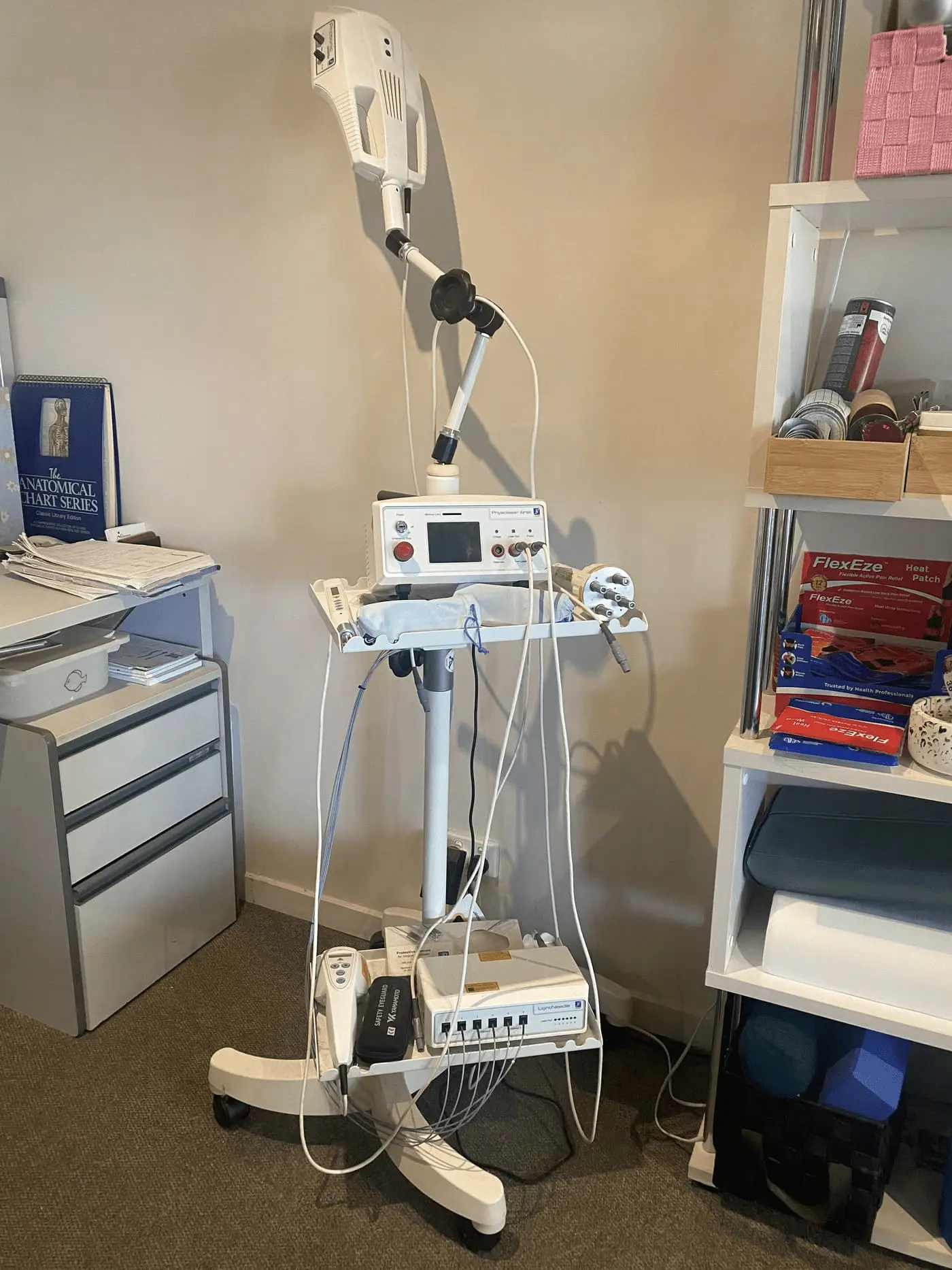
Low-level laser therapy (LLLT) — also known as photobiomodulation (PBM) — uses specific wavelengths of light in the red and near-infrared spectrum to penetrate the skin and interact with cells in the underlying tissue.
When the light energy is absorbed by mitochondria (the energy-producing organelles within cells), it triggers a cascade of biological effects that support the body's natural healing process:
- Increased ATP production — more cellular energy available for repair processes
- Reduced oxidative stress — lower levels of reactive oxygen species that damage tissue
- Anti-inflammatory effects — modulation of inflammatory mediators at the cellular level
- Improved microcirculation — enhanced blood flow to the treated area
- Enhanced tissue repair — supporting recovery of muscle, tendon, ligament and connective tissue
- Pain reduction — modulation of pain signalling at the nerve level
Sessions typically take 10–15 minutes. The treatment is non-invasive. Most people describe feeling little or nothing, sometimes a mild warmth. There's no recovery time, and side effects at therapeutic doses are uncommon.
Conditions laser therapy can assist with
Laser therapy is mainly used for conditions involving tissue inflammation, tendon pathology and soft tissue injury — either as a standalone treatment or integrated into a broader chiropractic care plan.
Tendon Injuries
Tendinopathy is one of the most common reasons I use LLLT. Whether it's Achilles tendinopathy, lateral epicondylitis (tennis elbow), rotator cuff tendinopathy or patellar tendinopathy, laser therapy is combined with load management to help improve pain and function. Clinical trials have investigated LLLT for tendinopathy, with some positive results.
Muscle Strains
Laser therapy supports the body's natural healing process for torn or strained muscle fibres by stimulating cellular activity and helping to reduce the inflammatory response that can slow recovery. For acute muscle strains, early application of LLLT may meaningfully shorten recovery time. For chronic or recurrent strains, it can assist with the persistent low-grade inflammation that maintains the pain cycle.
Joint Inflammation
Both osteoarthritis and inflammatory arthritis produce local joint inflammation that contributes to pain and functional limitation. LLLT may help reduce the concentration of pro-inflammatory cytokines in the joint environment, decreasing swelling and pain. Patients with arthritic hip, knee, shoulder or spinal joints often find meaningful relief with regular laser therapy as part of a broader management plan.
Neck & Back Pain
Many neck and back pain presentations have a significant inflammatory component — particularly those involving disc pathology, facet joint inflammation or muscle spasm. Laser therapy targets the local inflammatory process directly, helping to reduce pain and allowing the manual and exercise components of treatment to be more effective. It is frequently incorporated into chiropractic care plans for spine-related pain.
Plantar Fasciitis
Plantar fasciitis is one of the conditions for which LLLT has the strongest clinical evidence. The combination of laser therapy applied to the plantar fascia insertion at the heel, alongside appropriate load management and any relevant biomechanical correction, typically produces excellent outcomes — often in patients who have had limited success with other conservative treatments.
Shoulder Injuries
Rotator cuff pathology, subacromial bursitis and shoulder impingement syndrome all involve soft tissue inflammation and degeneration that may respond to LLLT. Combined with appropriate manual therapy and exercise rehabilitation, laser therapy for shoulder injuries may meaningfully assist recovery and reduce the risk of progression to more invasive intervention.
Laser therapy FAQ
What is low level laser therapy?
Low-level laser therapy (LLLT), also known as photobiomodulation (PBM), is a form of light therapy that uses specific wavelengths of red and near-infrared light to support tissue repair and reduce inflammation at a cellular level. It's completely different from the high-powered surgical lasers used in medicine — it works at very low energy levels and produces no heat or tissue damage.
Is laser therapy safe?
Yes — LLLT has been used clinically for over 40 years and has an extensive safety record. It operates at very low energy levels and produces no tissue damage. There are a small number of contraindications (including over malignancies, during pregnancy, and directly over the eyes), which I screen for before treatment.
What does it feel like?
Honestly, most people feel very little — maybe a gentle warmth over the area being treated. The treatment is non-invasive. You remain clothed for most applications and the whole thing usually takes 10–15 minutes.
How many sessions will I need?
That depends on what we're treating and how longstanding it is. For acute soft tissue injuries, 3–6 sessions is a common course. For more established conditions — chronic tendinopathy, osteoarthritis — more sessions over a longer period may be needed. I'll give you a realistic expectation based on your specific situation at your first assessment.
Can laser therapy be combined with chiropractic?
Yes — and this is exactly how I use it at Momentum. Laser therapy works best as part of an integrated treatment plan that also addresses the biomechanical and functional contributors to a problem. I incorporate LLLT into broader care plans where it's clinically indicated, rather than offering it in isolation.
Do I need a referral to receive laser therapy?
No. You can call or book online directly without a referral from a GP or any other practitioner. Medicare EPC patients with a care plan from their GP are also welcome.
What conditions respond best to laser therapy?
The strongest evidence base exists for tendinopathy (particularly Achilles, lateral elbow, rotator cuff and patellar), plantar fasciitis, muscle strains, joint inflammation associated with osteoarthritis, and neck and back pain with an inflammatory component. I'll advise you on whether your specific presentation is likely to respond well to LLLT.
Is laser therapy covered by health insurance?
Many private health fund extras policies cover laser therapy — but coverage varies between funds and policy levels. Worth checking with your fund before your appointment. TAC and WorkCover patients may also have laser therapy covered as part of their approved treatment plan.
Our Fees
Transparent pricing — no hidden fees. We have HICAPS on-site for instant private health rebates.
Full assessment, diagnosis & first treatment
All follow-up chiropractic appointments
Low-level laser therapy at no extra charge
Ready to try laser therapy?
No referral needed. Book a consultation with Dr Poulton to find out whether LLLT is right for your condition. Open 7 days in Templestowe.
Reviews help other people in Templestowe find the practice.
If you'd like to leave one, you can do that here.
Leave a Google Review